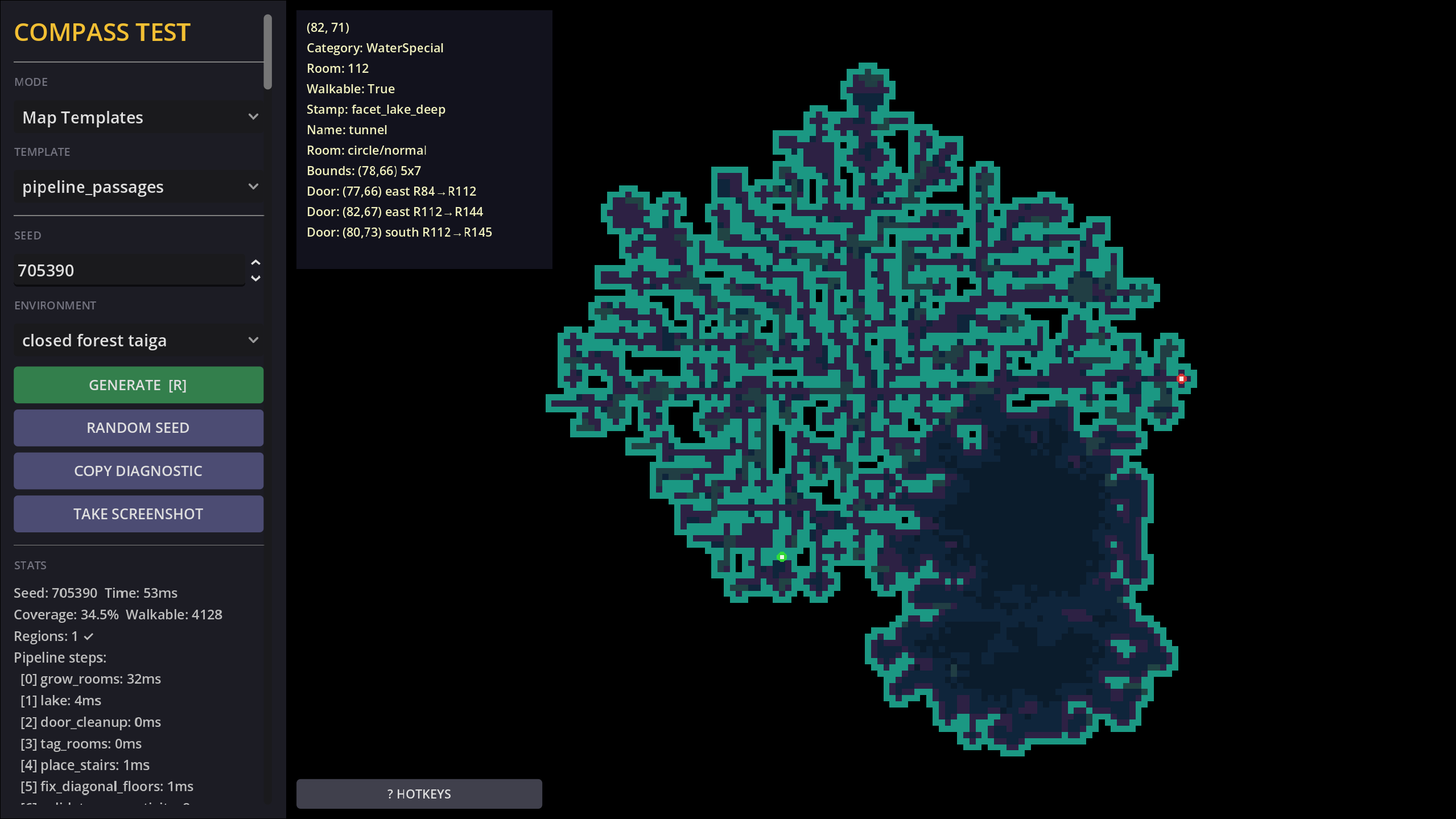
Procedural Levels with Compass

I spent a good chunk of last year writing about compass, the map-generation library with all the fluvial generators and cellular caverns. The whole time I was building it as a standalone library, the real motive was to eventually drop it into a game. This month I finally did, and DET-33 now generates every one of its floors through compass. Pulling the library in Wiring it up was almost anticlimactic, which is the point of having spent the time on the composition layer. DET-33 pulls compass in as a git dependency and the level code just imports the scanning digger and the template data: ...
December 21, 2025 · 3 min

Stat-Agnostic Skills

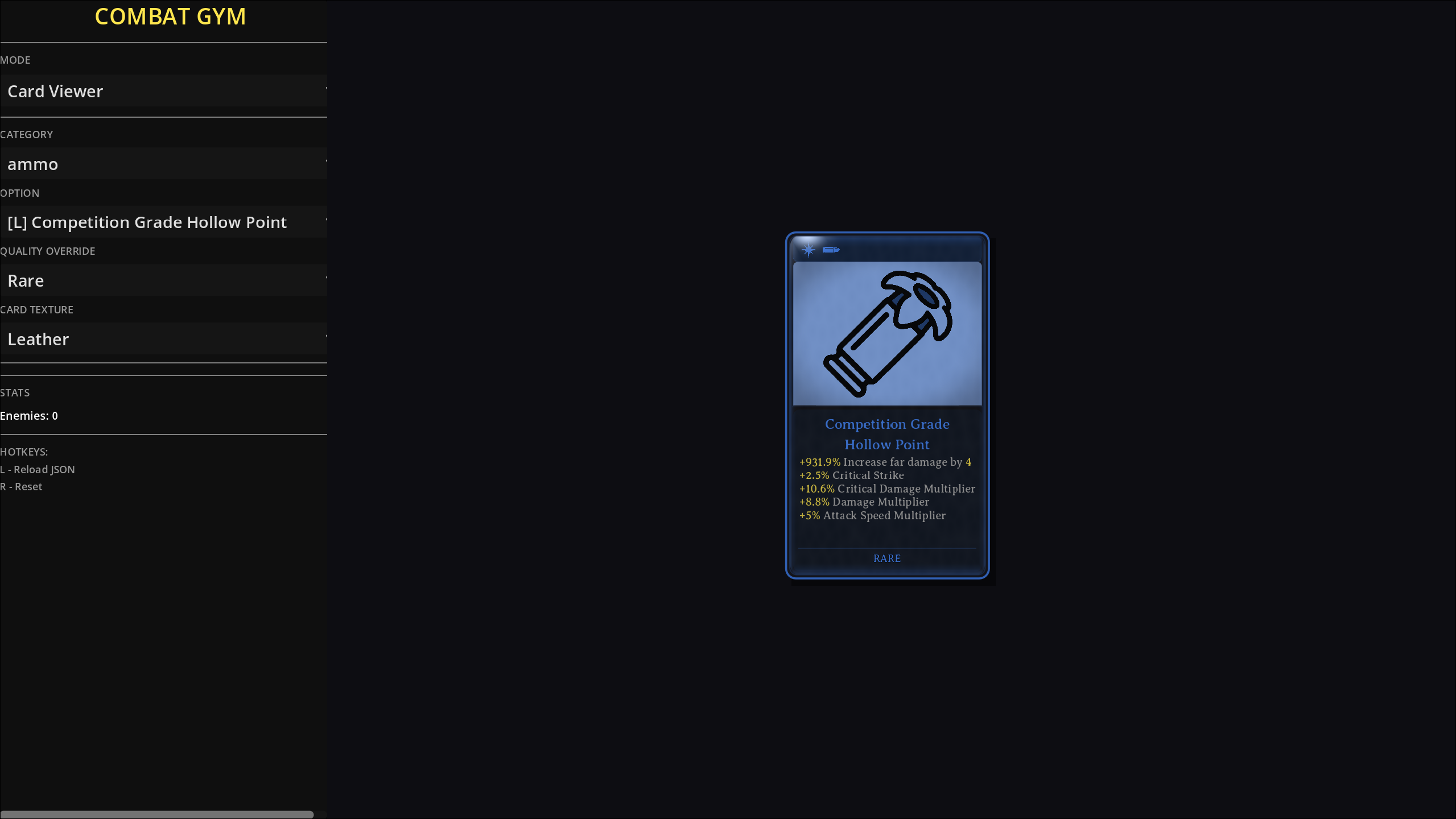
After getting the bullet behaviors in DET-33 into a good place, the next system to crack was skills: the active abilities a player picks up as they level. I’d built ability systems before and always regretted the same thing, so this time I restructured them to be stat-agnostic from the start. The mistake I keep making The tempting way to define a skill is to reach into player stats. “Healing scales with your wisdom, damage scales with your level.” It feels right and it ruins you later. Every skill becomes coupled to the stat model, balancing one thing ripples into everything, and you can’t reason about a skill in isolation. Years ago I wrote about balancing game mechanics by drawing the tree of which stats feed which. The lesson I took from doing that is that the fewer edges in that tree, the better, and skills reading stats directly add a lot of edges. ...

November 16, 2025 · 2 min

Composable Bullet Behaviors

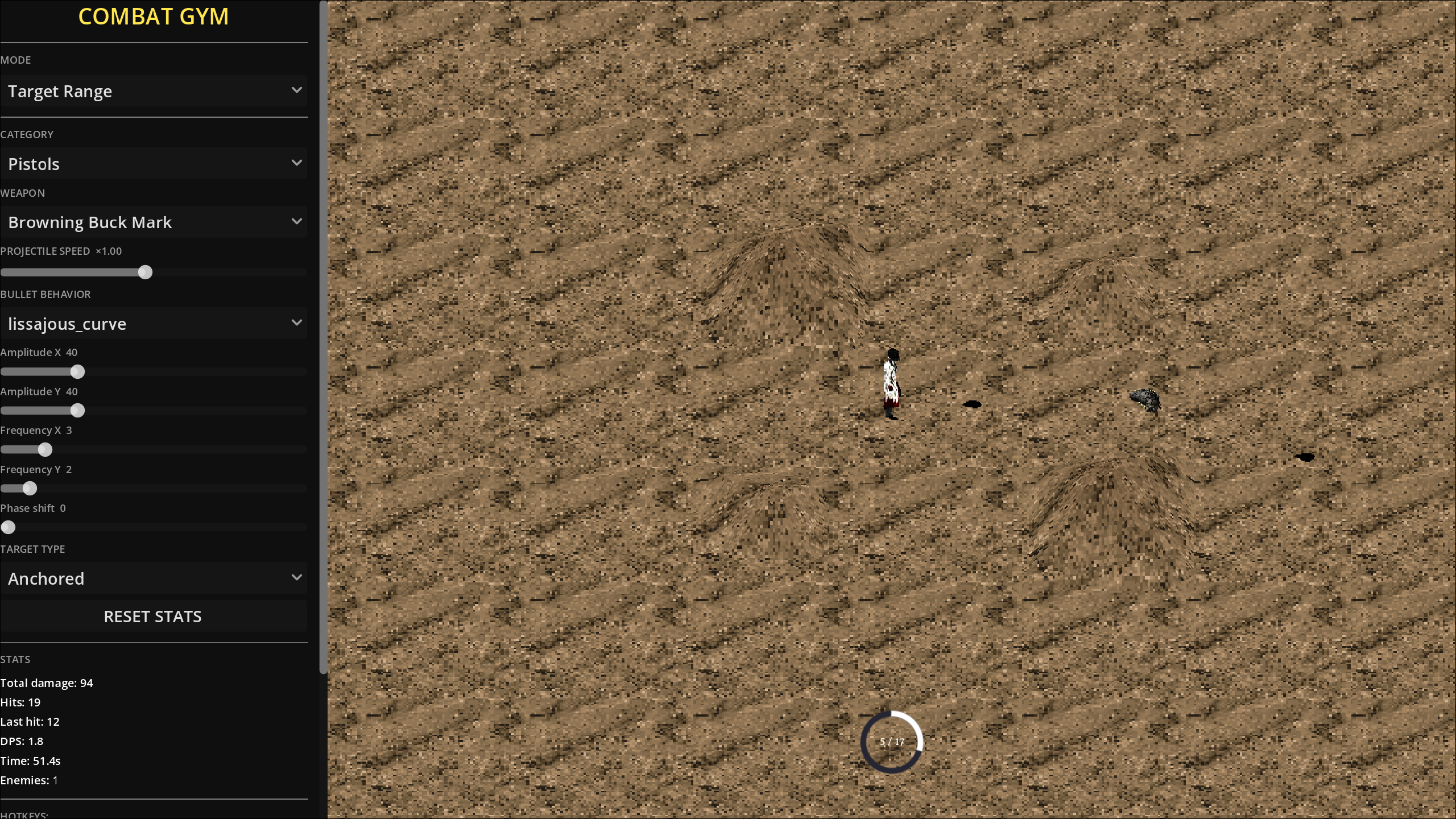
This fall I started building a new game: a bullet-hell roguelike called DET-33, built on Phaser 3 and Vue. It’s the kind of game where the whole appeal is hundreds of projectiles on screen doing wildly different things, which means the weapon code becomes the heart of the project very quickly. Mine started as one weapon.js file, and it did not stay manageable for long. The problem is the obvious one. A bullet that travels in a straight line, a bullet that spirals, a bullet that boomerangs back, a bullet that splits on impact, and a bullet that drops an acid pool are all “a bullet,” but the branching to support them in one file gets ugly fast. So I tore weapon.js apart and rebuilt the projectiles as composable behaviors using the strategy pattern. ...

October 19, 2025 · 3 min

Balancing Game Mechanics

Two of the most influential components to decreasing LOE in balancing game mechanics is automating the most essential parts of testing those mechanics, and providing meaningful and easy to understand graphs. Some meaningful questions to better lay the foundation of balancing and creating these components: What are the actual ‘core stat(s)’ that identify survival? (Usually health) What are the ‘ancillary stat(s)’ that help facilitate the increase or decrease that core? (damage, strength, dexterity, etc.) I’m assuming all actors here are equal and we aren’t comparing apples and oranges. What are the ‘supplemental stat(s)’ that may contribute to the increase or decrease of the ancillary stats? (class, rank, level) What are the ’extraneous stat(s)’ that don’t affect the other stats already identified. I found that creating a tree by drawing lines connecting these identified stats provided incredible insight and direction. ...

June 6, 2018 · 1 min