Building a Modern Roguelike in 2026

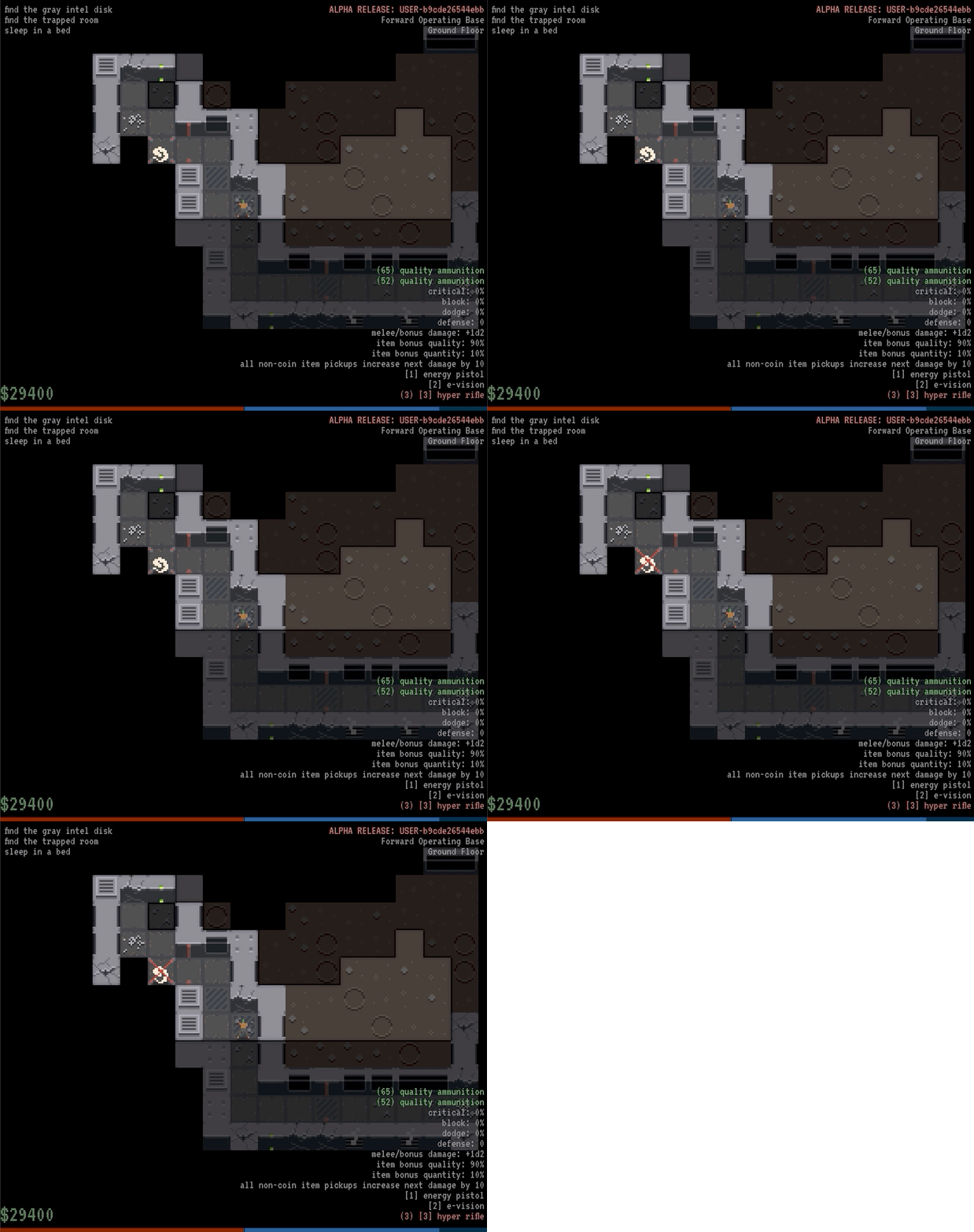
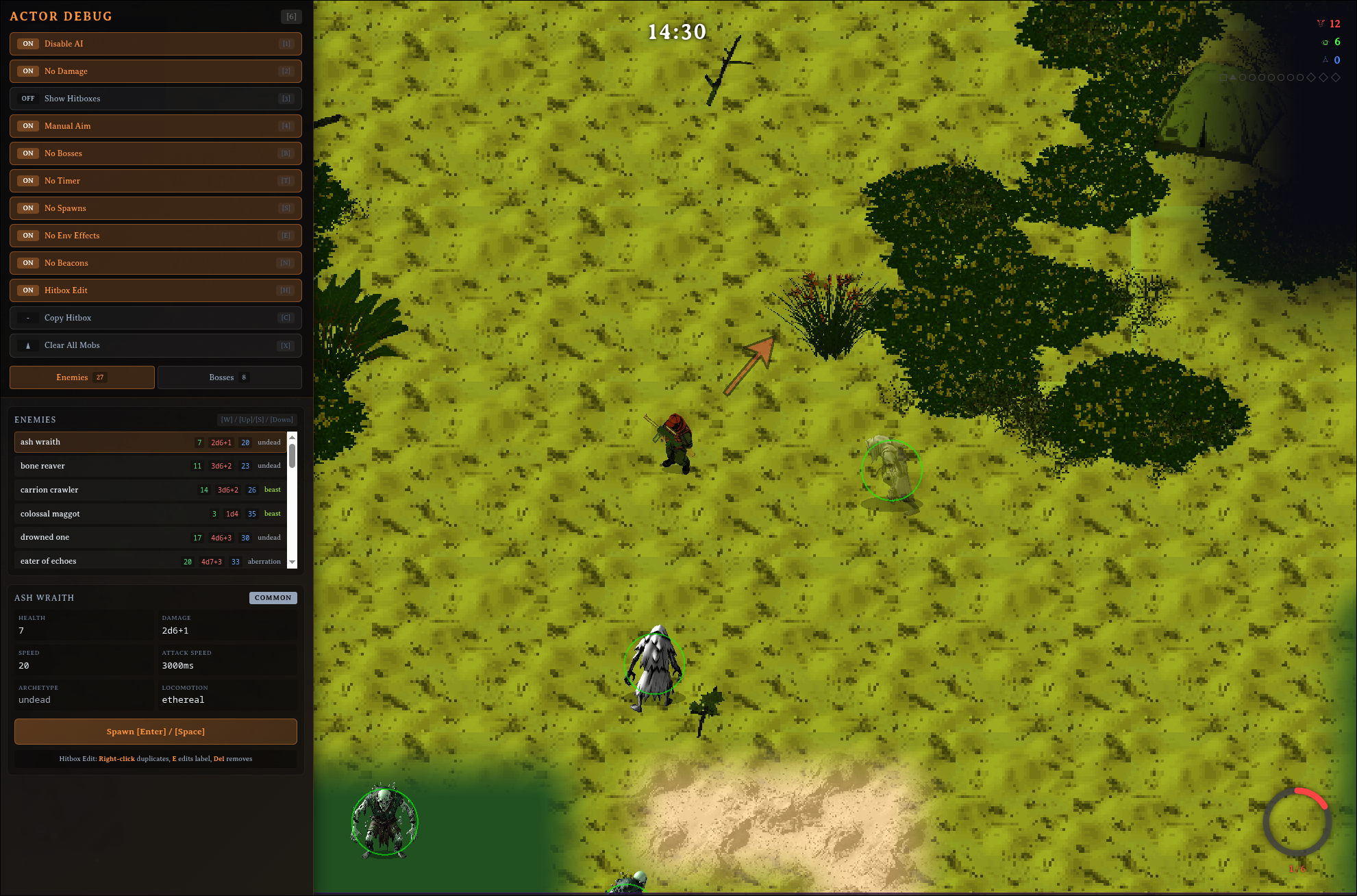
I have a habit of writing one of these every few years. In 2017 it was a 7DRL experiment merging a roguelike with an FPS, and in 2019 it was ascii characters embedded into a 3d map. This year’s entry is different: DET-33, the bullet-hell roguelike I built in JS and Phaser over the last few months, is feature-complete and plays great. So naturally I’m rewriting it from scratch in Godot 4 and C#. ...
April 12, 2026 · 3 min

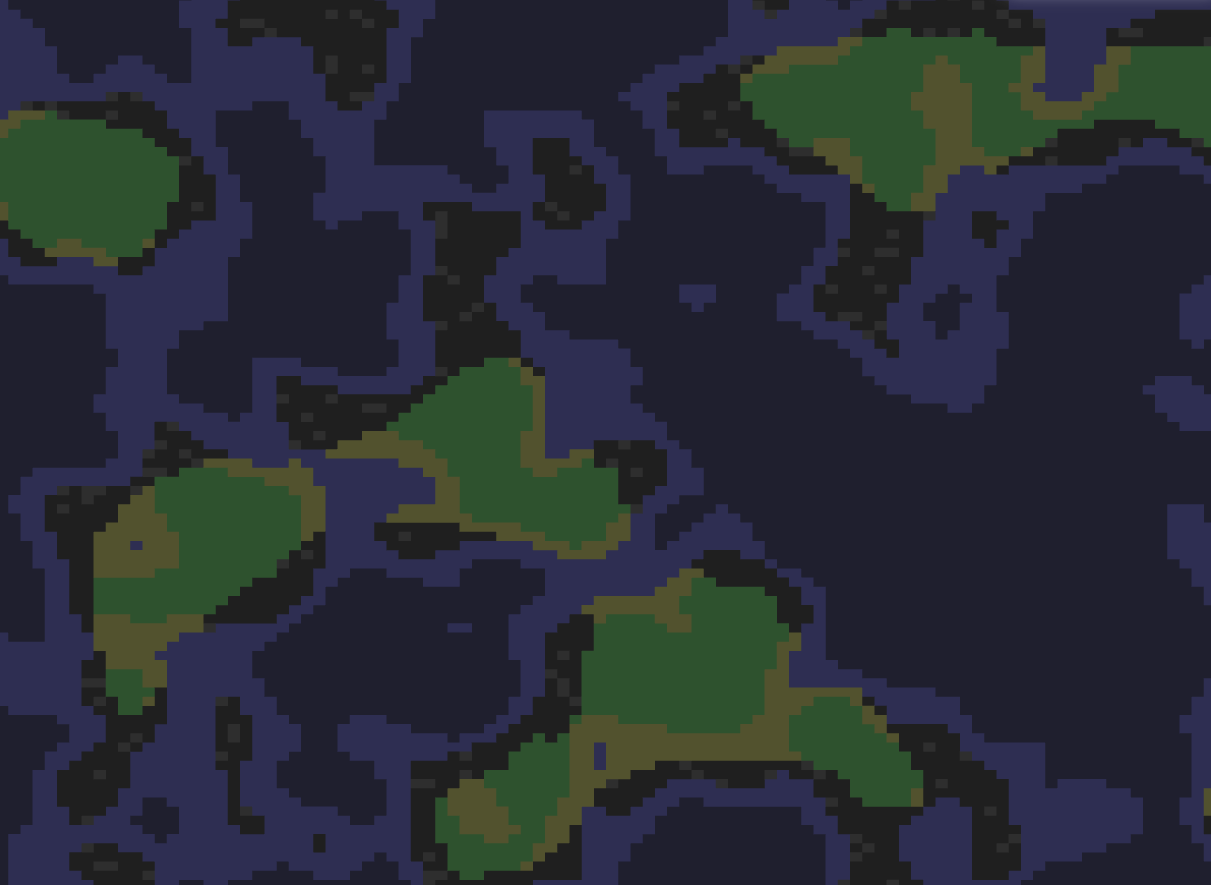
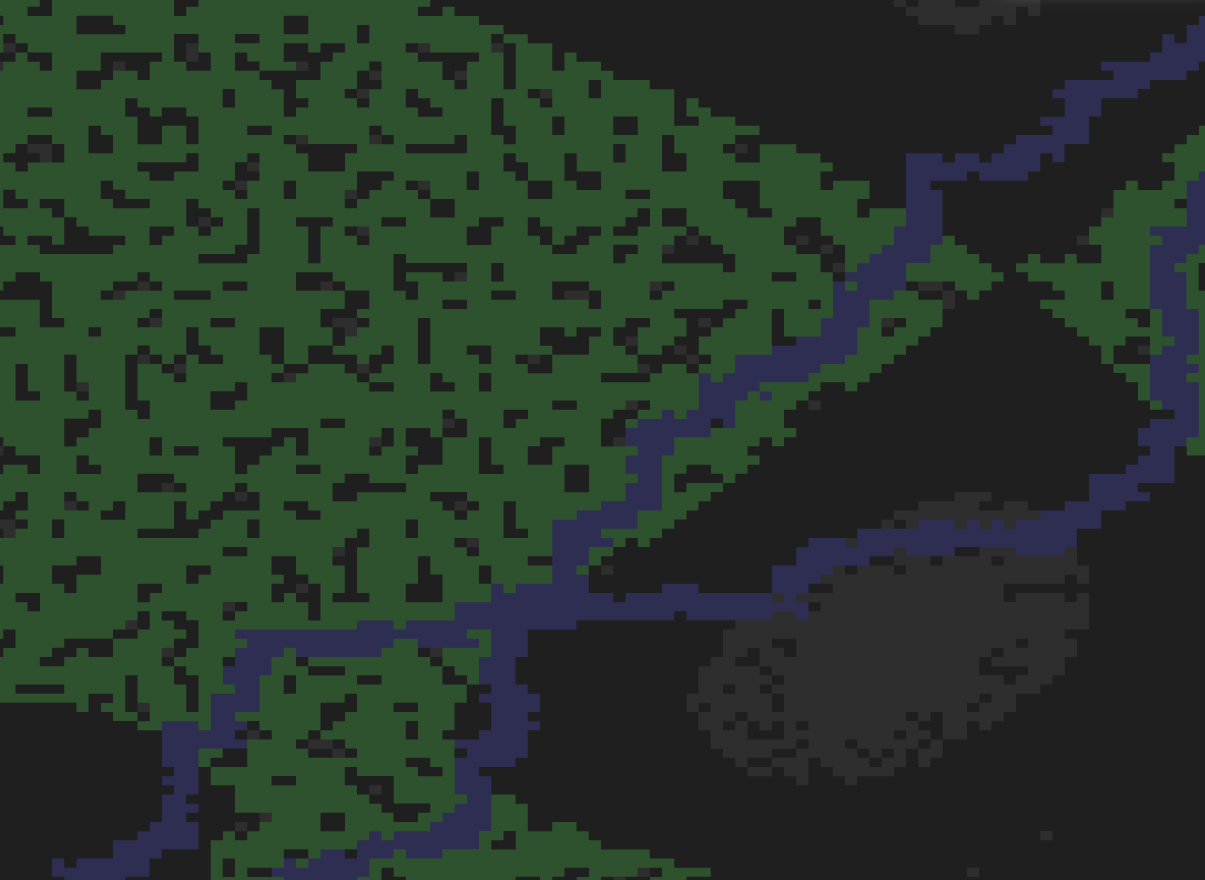
Procedural Levels with Compass

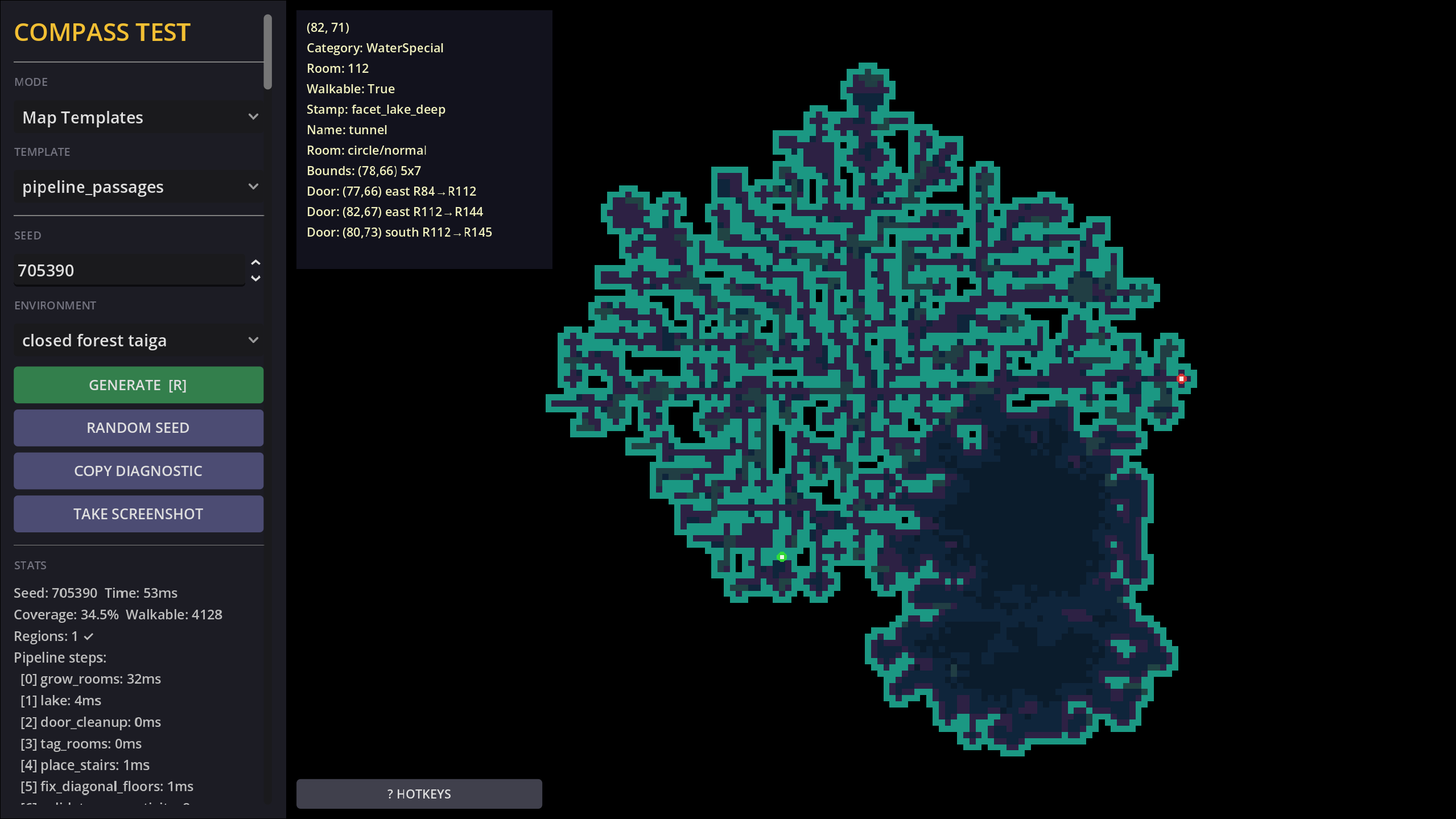
I spent a good chunk of last year writing about compass, the map-generation library with all the fluvial generators and cellular caverns. The whole time I was building it as a standalone library, the real motive was to eventually drop it into a game. This month I finally did, and DET-33 now generates every one of its floors through compass. Pulling the library in Wiring it up was almost anticlimactic, which is the point of having spent the time on the composition layer. DET-33 pulls compass in as a git dependency and the level code just imports the scanning digger and the template data: ...

December 21, 2025 · 3 min

Kepler452b Released

Kepler452b is available for Windows, Linux & MacOS. Enjoy a roguelike with one of 8 classes, 5 unique worlds, beautiful graphics by Oryx, music by Scott Buckley & Sergey Cheremisinov, 28 unique enemies, 101 supervisors to modify your gameplay, a story and much more! Whether you prefer to sneak around and backstab with the assassin, use a flamethrower as a pyrotechnic or grapple enemies to you and poison them, there’s bound to be a play style you will enjoy! ...

August 4, 2020 · 1 min

Kepler452b Coming 2020

August 4th, 2020 Update: v1.0.0 Release Official release page is here. You can submit bugs or request features here. Downloads & Links Windows Download Mac Download Linux Snapfile Download Linux App Image Download Screenshots ...

December 3, 2019 · 2 min

Building a Modern Roguelike in 2019

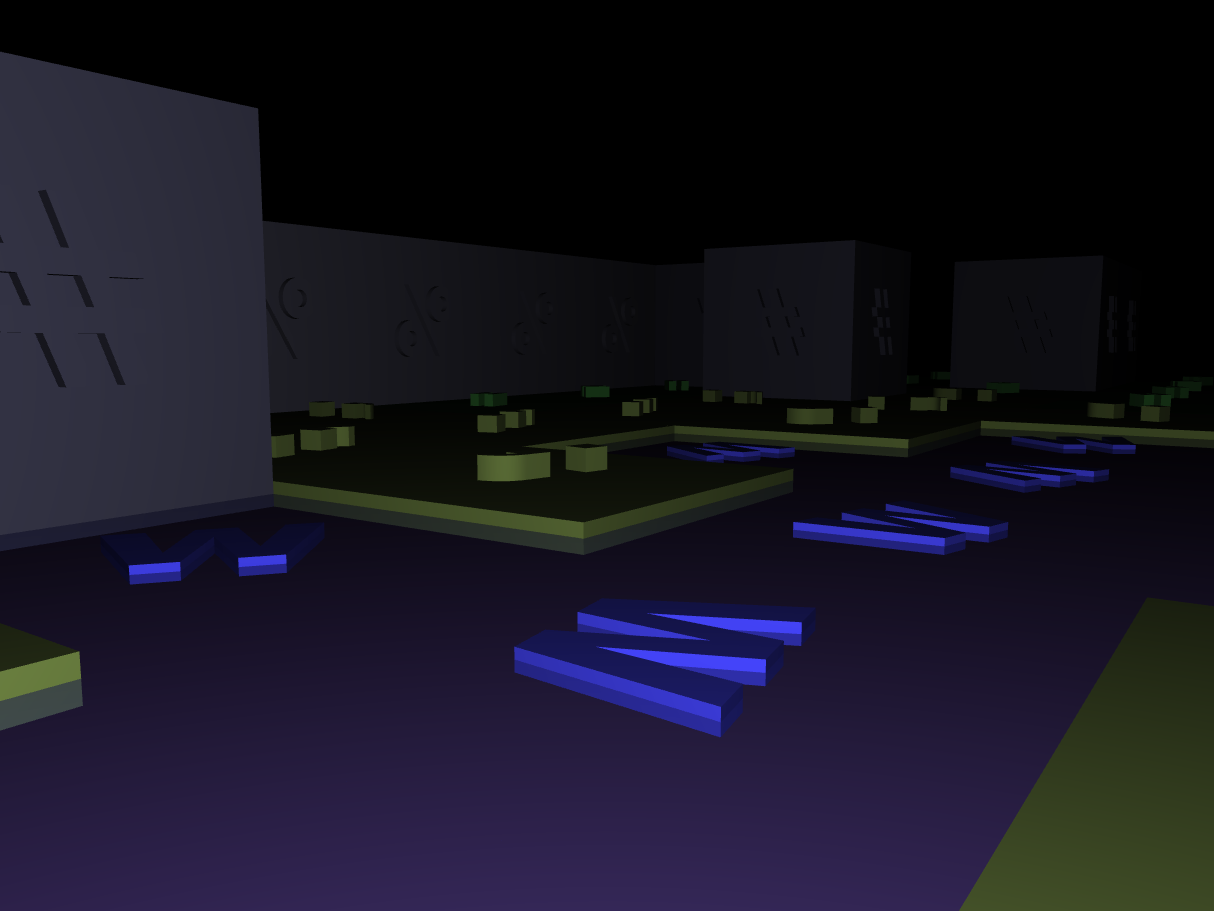
At numerous times I’ve created demos trying to figure out how to merge a traditional roguelike into a FPS without sacrificing it’s roots. Here’s an article I made in 2017. Unlike many others I don’t feel like just random maps makes a roguelike, I’ve even gone so far as saying no FPS is a roguelike. In this experiment I’ve tried to merge those ascii characters into the map itself and dropped the textures. The code can be executed and ran or viewed in its entirety on Github here. ...

November 13, 2019 · 1 min

Meander Algorithm

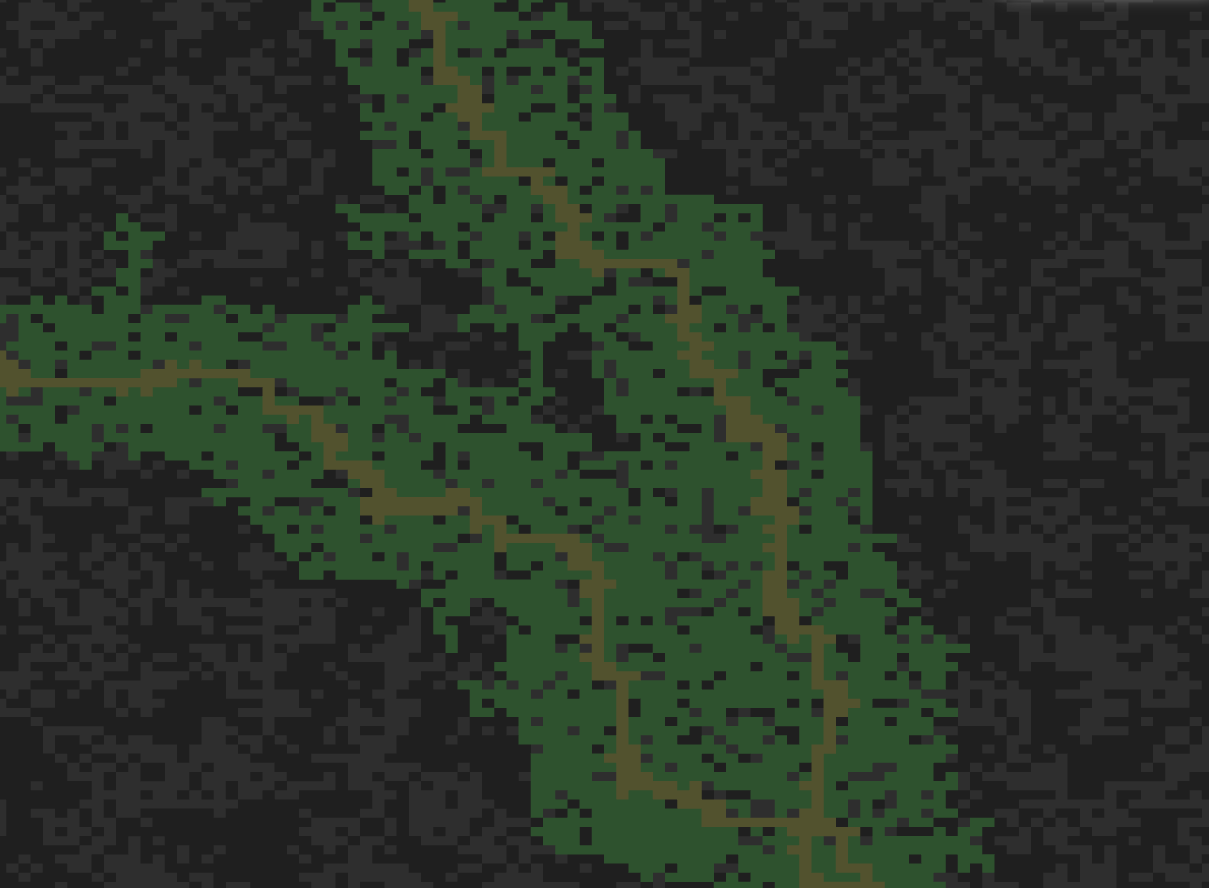
The meander algorithm is a combination of using mazes to allow a meandering with bresenhams line. Below you can see the actual algorithm in simplicity. Obviously you could use noise maps to created heighted terrain based on the river to make it look pretty. Choose a starting map edge and ending map edge, acquire the terminal points based on those edges. Usually this would be a random point on those edges. Maybe you’d want to weight it so it’s predominately in the center, or you could restrict it to a certain part. Create Bresenhams line between the terminal points. This is called the pathing vector. Break up the pathing vector into chunks of 9x9 where the pathing vector crosses the center. There may be left-over of the pathing vector. For each chunk, perform a recursive maze generation algorithm on the chunk. Repeat this step until there is a path from the start of the pathing vector within the chunk to the end of the pathing vector in the chunk. A* pathing algorithm can be used for the pathing. Merely use Bresenhams line to wrap up the extraneous pathing vector not covered by chunks, alternatively break up the remaining path into the largest odd number and chunk and process it similarly to the previous part of the algorithm to make it more consistent. Left overs in this optional way would still be filled in with bresenhams line. Recursive Maze Generation: ...

September 4, 2018 · 2 min

Generating Exhumed River Channel

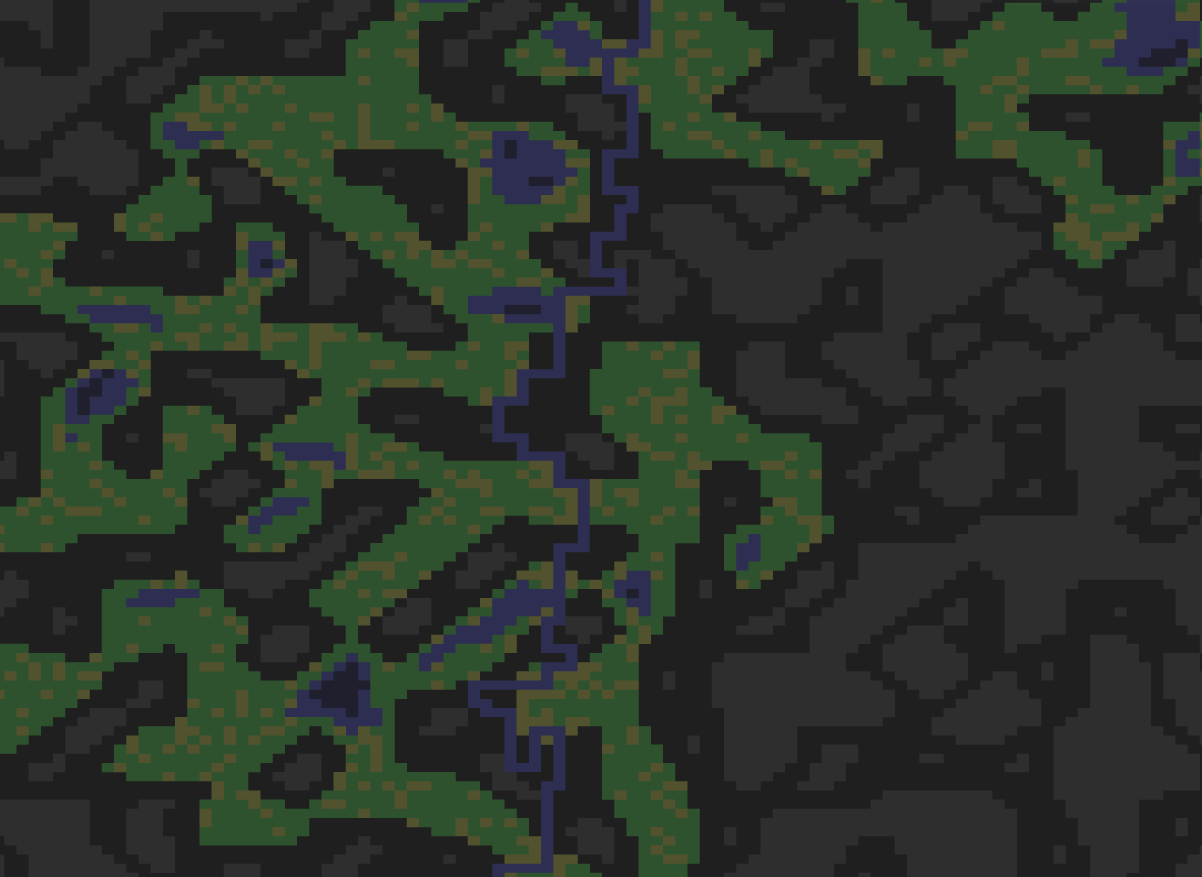
I recently did some work in generating rivers in a 2d game. Revisiting this work to create an exhumed river channel, I decided it might be fun to revisit how to generate it to make the channel look more realistic. Instead of using a drunken walker, this is a more expensive but interesting map generator: Start by generating 2d simplex noise where less <0.6 is floor rest is walls Generate terminal lines at each map exit (north, south, east, west). Shuffle those lines and randomly choose a start and end location for the river based on two of those lines. Later you can add another line with terminal point to allow a split river channel ...

August 6, 2018 · 1 min

Generating Cliffs for 2d Game

Source code available on github here.\n\nA recurring problem in 2d games is how to represent depth. In isometric games this is easily solved but in discretely top-down games it’s harder to solve. After doing a lot of research I fell onto a simple idea: do the best you can insinuating the depth and leave the rest to the imagination. Here’s the algorithm I used to create 2d top-down cliffs: Create a small map of perlin noise and a wide map of perlin noise. Add the two together and give the large map a weight of 3 with the small a weight of 1 and render the result with different breakpoints. This is ref map A. Less than 0.01 on A is deep water ...

July 31, 2018 · 1 min

Generating 2d Rivers

Rivers are really hard to generate for 2d top-down games for multiple reasons: Rivers primarily form based on heightmaps which are hard to display in top-down Displaying fluidity when working with sectors or grid-based rendering can be complicated, bresenham’s line algorithm only goes so far to make things look smooth naturally occurring mechanisms of nature have numerous factors in play that caused them to exist. Simulating all of these factors isn’t reasonable. I was able to make relatively decent 2d rivers using a few techniques. ...

July 11, 2018 · 1 min

Balancing Game Mechanics

Two of the most influential components to decreasing LOE in balancing game mechanics is automating the most essential parts of testing those mechanics, and providing meaningful and easy to understand graphs. Some meaningful questions to better lay the foundation of balancing and creating these components: What are the actual ‘core stat(s)’ that identify survival? (Usually health) What are the ‘ancillary stat(s)’ that help facilitate the increase or decrease that core? (damage, strength, dexterity, etc.) I’m assuming all actors here are equal and we aren’t comparing apples and oranges. What are the ‘supplemental stat(s)’ that may contribute to the increase or decrease of the ancillary stats? (class, rank, level) What are the ’extraneous stat(s)’ that don’t affect the other stats already identified. I found that creating a tree by drawing lines connecting these identified stats provided incredible insight and direction. ...

June 6, 2018 · 1 min